
This article explores how hospitality trends shaping 2026 travel redefine guest expectations, hotel design, technology, and operational strategy.
Introduction
Hospitality in 2026 feels quieter. Not boring. Just more intentional. After years of disruption, acceleration, and experimentation, the industry has entered a phase of maturity. Hotels are no longer chasing trends for the sake of novelty. Instead, they are refining what truly matters: how travel feels, how spaces function, and how guests connect emotionally.
This shift is not theoretical. It shows up in investment decisions, design briefs, operating models, and guest expectations. Ultimately, 2026 is about clarity. Less noise. More meaning.
Macro Hospitality Landscape in 2026:
Industry Outlook: From Recovery to Discipline
By 2026, hospitality has clearly moved beyond recovery mode. The challenge is no longer demand. Instead, it is discipline.
Costs remain high. Labor is still tight. Meanwhile, travelers are more selective. According to the American Express Global Business Travel – Hotel Monitor 2026, average hotel rates are projected to grow modestly, while occupancy stabilizes unevenly across markets.
https://explorer.amexglobalbusinesstravel.com/hotel-monitor-2026
As a result, operators now focus on profitability quality, not volume. They optimize rate integrity, streamline operations, and rethink cost structures. Therefore, efficiency and experience now evolve together.
The 2026 Traveler: Intentional and Value-Driven
At the same time, the traveler has changed.
Guests travel less frequently than before. However, each trip carries more emotional weight. According to Skift Research, travelers increasingly prioritize meaning, wellness, and local connection over pure escapism.
https://skift.com/research/
In practice, guests ask different questions:
-
- Why should I go there?
-
- What will I feel during the stay?
-
- What will I remember afterward?
This mindset shapes everything that follows.

Travel Trends Shaping Guest Journeys:
Experience-Led Travel and Emotional ROI:
In 2026, experiences are no longer add-ons. They are the product.
Travelers evaluate stays through emotional return on investment. Did the stay reduce stress? Did it create connection? Did it feel personal? According to Expedia Group’s Unpack ’26 report, experience-led travel strongly influences booking decisions.
https://partner.expediagroup.com/en-us/resources/research-insights/unpack-26-travel-trends
Therefore, hotels curate moments rather than stack amenities. A guided local walk often beats another rooftop bar.
Slow Travel and the Evolution of Bleisure:
Meanwhile, slow travel has become mainstream.
Guests stay longer. They move less. They engage more deeply with destinations. At the same time, bleisure has matured. It now reflects hybrid lifestyles rather than occasional extensions.
According to Deloitte’s travel outlook, flexibility and work-life blending continue to shape travel behavior through 2026.
https://www2.deloitte.com/global/en/industries/consumer/travel-hospitality.html
As a result, hotels redesign rooms and public spaces to support fluid daily rhythms.
Booking, Data, and Personalization:
AI-Enabled Booking Without Friction:
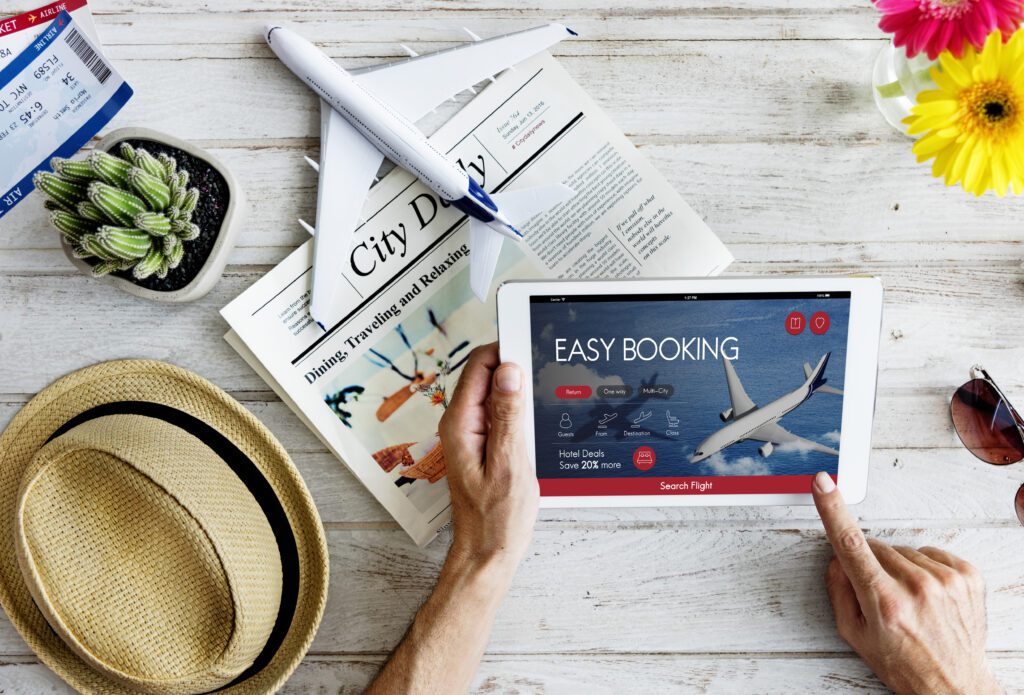
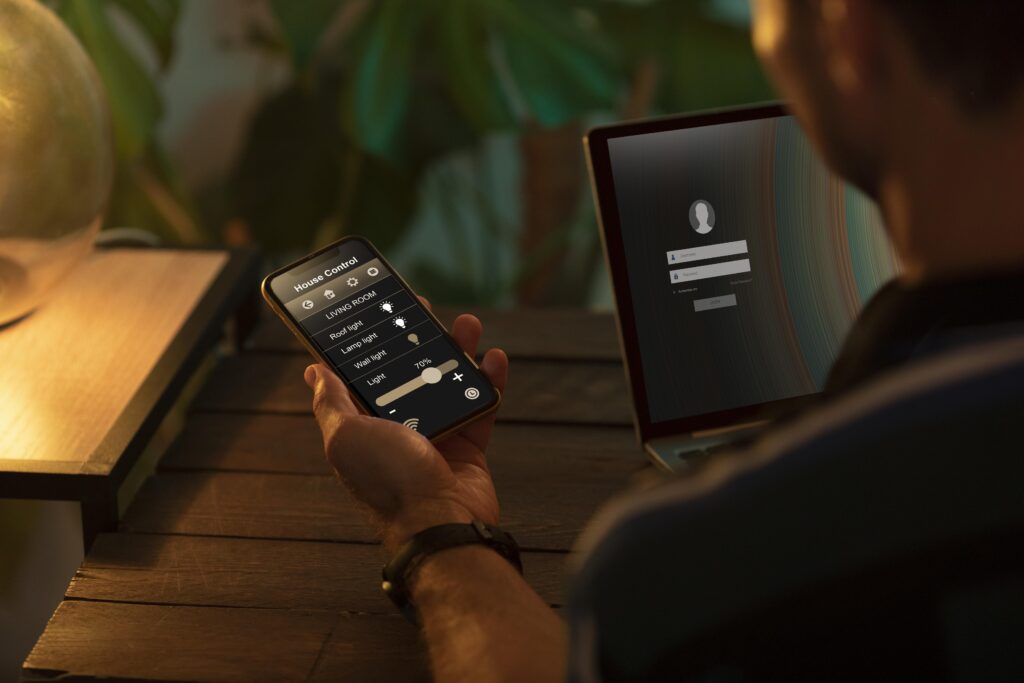
AI now sits at the front of the travel journey. However, guests do not want complexity.
Instead, they want relevance. According to Simon-Kucher research, travelers respond better to AI tools that reduce choice overload and guide decisions clearly.
https://www.simon-kucher.com/en/insights
Therefore, successful platforms prioritize clarity over abundance.
Hyper-Personalization That Feels Human:
Personalization in 2026 starts before arrival. Hotels use data to anticipate needs. However, the goal is not automation. It is recognition.
When done well, personalization feels natural. When done poorly, it feels intrusive. This distinction matters more than ever.
Design Trends Redefining Hospitality Spaces:
Sensory and Immersive Design:
Design in 2026 goes beyond visuals.
Hotels now think in sound, texture, light, and flow. According to WATG’s Hospitality Futures research, sensory design strongly influences emotional perception of space.
https://www.watg.com/hospitality-trends-2026
As a result, spaces feel calmer, warmer, and more human.
Flexible Public Spaces With Clear Purpose
At the same time, public areas have become adaptive ecosystems.
Lobbies host work in the morning. They host social life later. Therefore, furniture, lighting, and layouts shift throughout the day. This flexibility increases both guest satisfaction and revenue potential.

Sustainability and Wellness as Design Fundamentals:
From Sustainability to Regeneration:
Sustainability has matured. Guests now expect hotels to give back.
According to the World Travel & Tourism Council, regenerative tourism is becoming a defining expectation, not a niche concept.
https://wttc.org/research
Therefore, local sourcing, cultural integration, and community partnerships move to the center of design decisions.
Wellness Built Into the Environment:
Wellness is no longer limited to spas.
Natural light, air quality, biophilic elements, and material choices directly impact guest well-being. Harvard research confirms that healthier buildings improve cognitive performance and satisfaction.
https://www.hsph.harvard.edu/c-change/subtopics/healthy-buildings/
Guest Experience Transformation:
AI Supporting Human Service:
AI plays a major role in operations. However, it stays mostly invisible.
According to EHL’s Hospitality Outlook Report 2026, AI improves anticipation and service flow when it supports staff instead of replacing them.
https://hospitalityinsights.ehl.edu/hospitality-outlook-report-2026
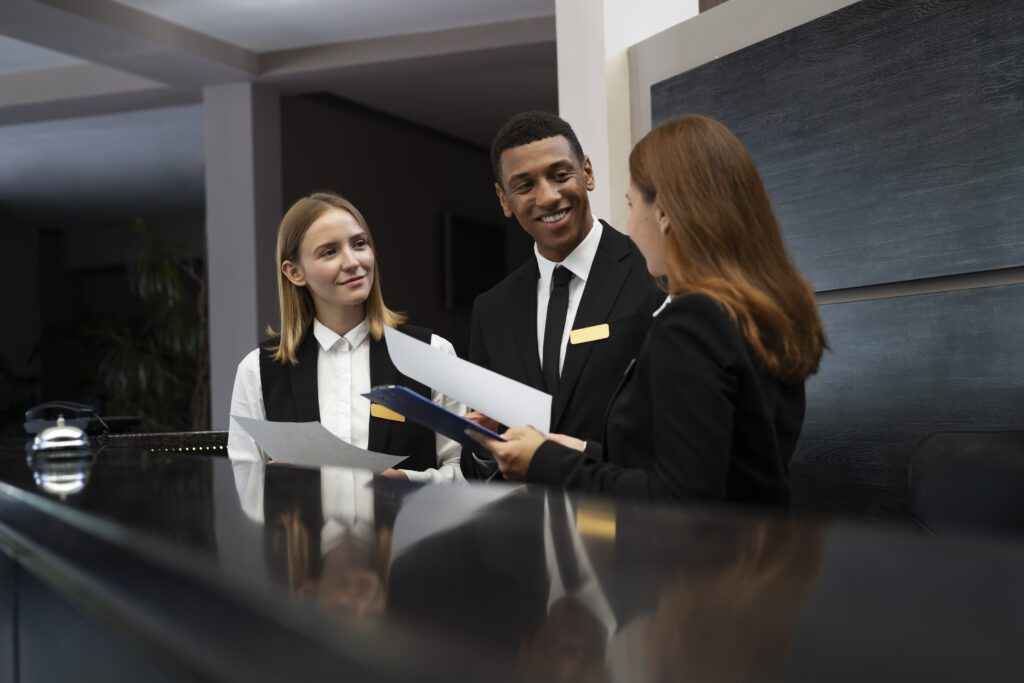
As a result, human interactions become more meaningful, not less.
Digital-First, Human-Optional Journeys:
Guests expect digital convenience. Yet they still value choice.
Check-in, service requests, and payments work digitally. However, human contact remains available when it matters. This balance defines modern hospitality.
Operations, Talent, and Consistency:
Workforce Reality in 2026:
Labor remains challenging. However, the conversation has shifted.
Hotels now focus on role clarity, multi-skilling, and realistic workloads. According to McKinsey, employee experience directly impacts service quality and retention.
https://www.mckinsey.com/industries/travel-logistics-and-infrastructure
Consistency as a Competitive Edge:
Ultimately, consistency builds trust.
Guests forgive one missed detail. They do not forgive unpredictability. Therefore, reliable delivery becomes a stronger differentiator than surprise.
Food, Beverage, and Experience-Led Concepts:
F&B as Storytelling:
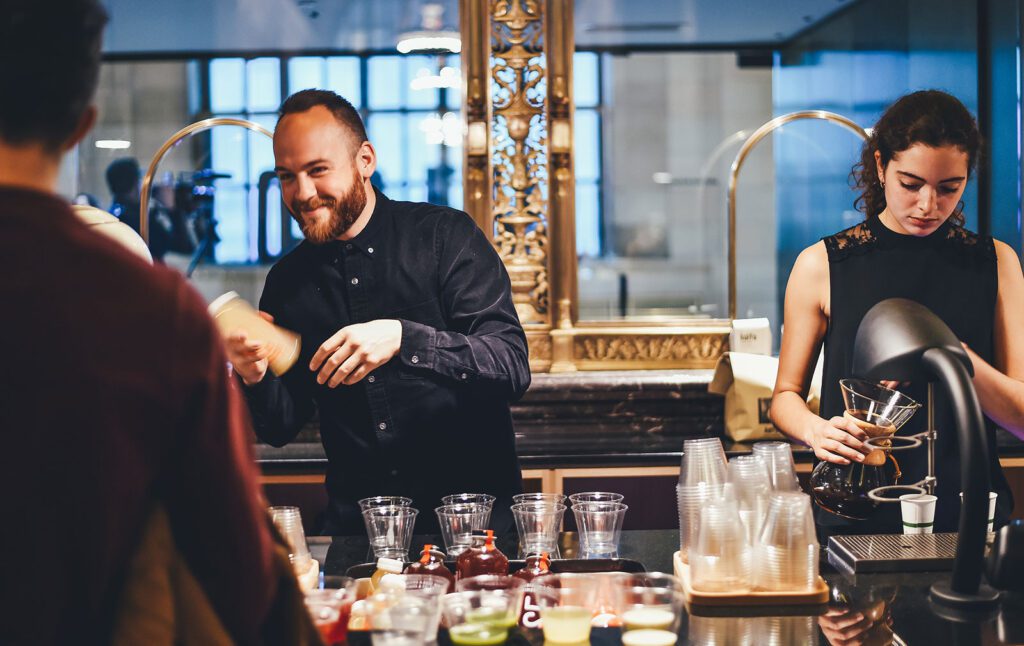
F&B now carries narrative weight.
According to TGP International’s F&B Trends Report 2026, guests favor concise menus tied to place and seasonality.
https://www.tgpinternational.com/fb-trends-report-2026
As a result, quality and story outperform quantity.
Market and Investment Implications:
Experience-Driven Asset Value:
Investors increasingly assess experiential strength.
According to ISE Global, hotels that integrate design, technology, and experience show stronger long-term resilience.
https://www.iseurope.org/news/hospitality-market-trends-2026
Human Capital as a Value Multiplier:
Finally, people remain the strongest asset. Design and tech matter. However, engaged teams create sustainable value.
Conclusion
Hospitality trends in 2026 are not radical. They are refined.
Travel becomes slower. Design becomes more emotional. Service becomes more human. Technology becomes quieter.
In the end, the rule is simple: hotels that understand why people travel will always outperform those that only focus on how they operate.