
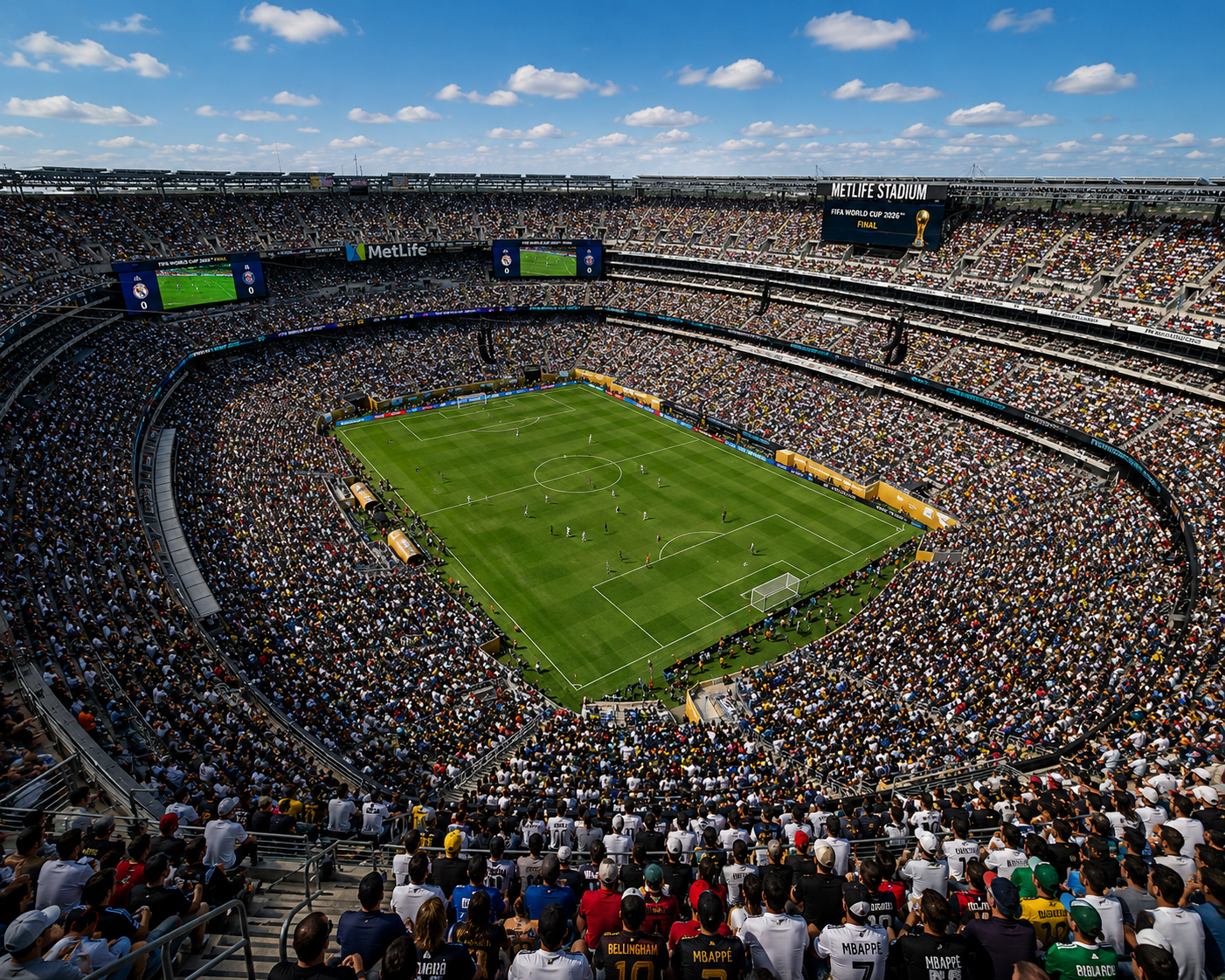
Hospitality in Modern Stadiums is transforming sports venues into year-round entertainment destinations by combining personalized experiences, smart technology, premium amenities, and exceptional guest service.
The Evolution of Stadium Hospitality
Not so long ago, stadium hospitality simply meant better seats, access to a private lounge, and perhaps a complimentary meal. Today, that definition has changed dramatically. Modern stadiums aim to deliver memorable experiences that start long before kick-off and continue well after the final whistle.
This evolution reflects a wider shift in consumer expectations. Fans no longer compare a stadium visit with another sporting event alone. Instead, they compare it with hotels, concerts, airports, and other premium leisure experiences. As a result, stadium operators must compete on the overall guest journey rather than the match itself.
This idea isn’t new. In fact, Pine and Gilmore’s landmark Harvard Business Review article, “Welcome to the Experience Economy,” argued that customers increasingly value memorable experiences over products or services alone. Nearly three decades later, that concept perfectly describes the direction stadium hospitality has taken.
Further reading: https://hbr.org/1998/07/welcome-to-the-experience-economy
Similarly, Deloitte’s Sports Industry Outlook highlights that personalization, convenience, and digital engagement now rank among the biggest drivers of fan satisfaction.
Read the report: https://www2.deloitte.com
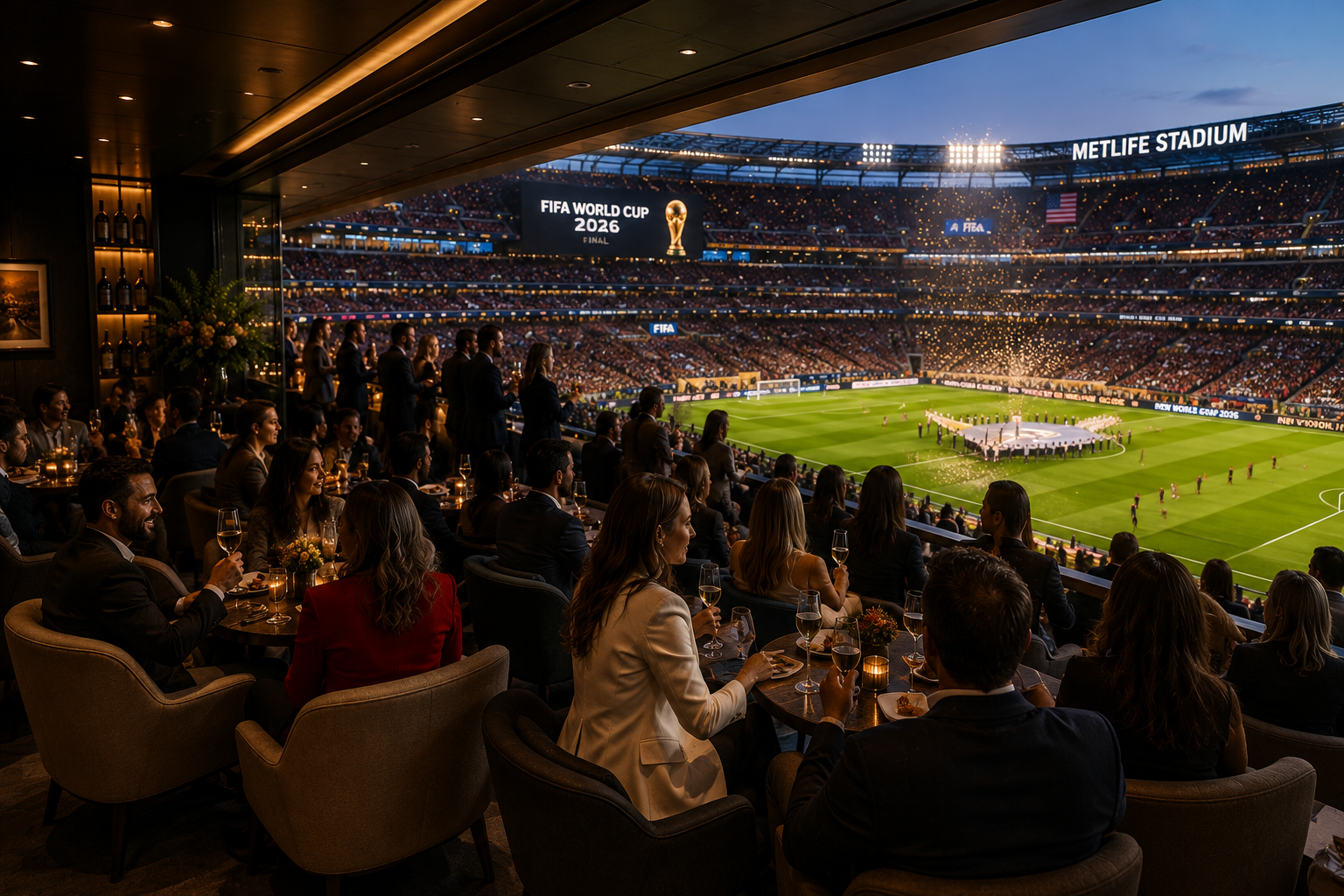
Why Hospitality Has Become a Strategic Priority for Modern Stadiums
Rising Fan Expectations Beyond the Game
Watching live sport remains the main attraction, but today’s fans expect much more. Comfortable seating, high-quality food, fast Wi-Fi, mobile ticketing, and cashless payments have become standard rather than premium features.
Meanwhile, the rise of streaming services has raised the bar. If watching from home feels easier and cheaper, stadiums must offer something television simply cannot replicate. Consequently, hospitality has become an essential part of the matchday experience instead of an optional extra.
Hospitality as a Revenue Driver
Hospitality also delivers significant commercial value. Premium seating, executive lounges, hospitality suites, and exclusive dining experiences encourage visitors to spend more during every visit. Furthermore, satisfied guests are more likely to return and recommend the venue to others.
According to Deloitte, successful sports venues increasingly diversify their revenue streams beyond ticket sales through premium hospitality, sponsorship activation, and year-round events.
Creating Year-Round Destination Venues
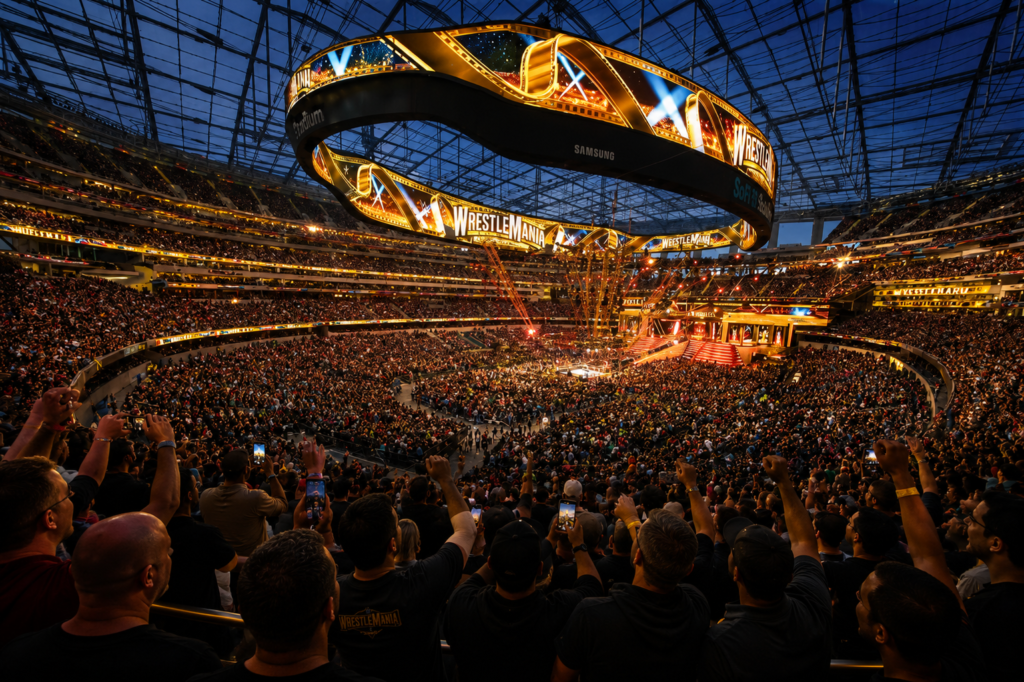
Modern stadiums no longer remain empty between sporting events. Instead, many host concerts, conferences, exhibitions, corporate meetings, weddings, and community events throughout the year. This strategy maximizes venue usage while creating additional hospitality opportunities.
The Pillars of Modern Stadium Hospitality
Personalized Fan Experiences
Perhaps the biggest change in recent years has been personalization. Using customer data, stadiums can recommend food options, suggest merchandise, offer hospitality upgrades, or send exclusive promotions based on previous visits. These small details make supporters feel genuinely valued.
Research by Verhoef et al. on customer experience management found that personalized interactions significantly improve satisfaction and long-term loyalty across service industries.
Study: https://www.sciencedirect.com/science/article/pii/S0022435909000052
Premium Seating Beyond Traditional VIP Boxes
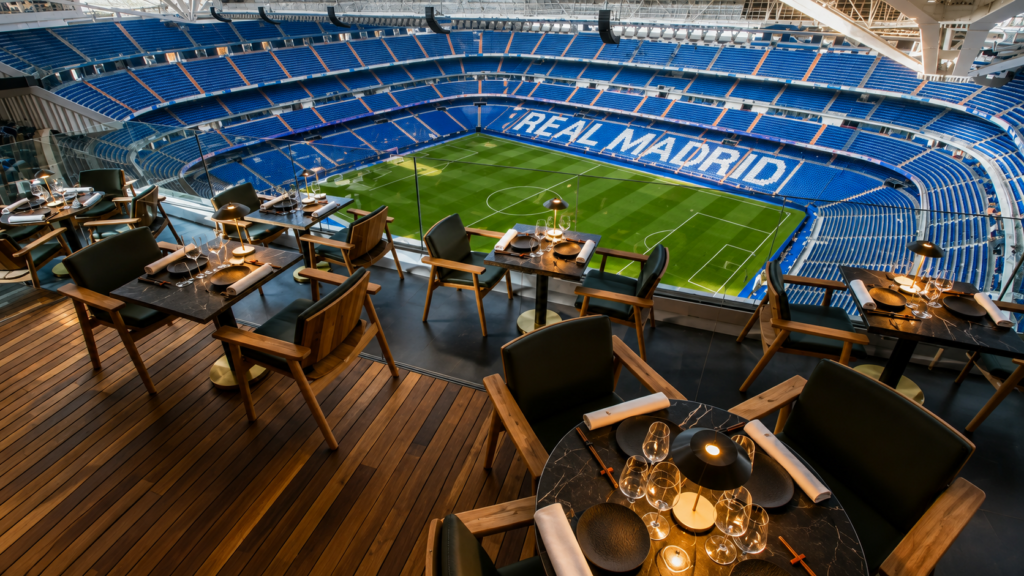
Premium hospitality has also evolved. Today’s stadiums offer tunnel clubs, rooftop terraces, chef-led restaurants, family lounges, pitch-side dining, and immersive hospitality spaces designed for different audiences.
This wider choice makes premium experiences accessible to far more visitors than traditional corporate guests alone.
Food and Beverage as Part of the Experience
Food has become part of the entertainment. Instead of relying exclusively on standard concession stands, many venues collaborate with local restaurants, regional suppliers, and renowned chefs. This approach creates a stronger sense of place while improving food quality.
Consequently, many fans now arrive earlier and remain after the event, increasing both engagement and spending.
Sustainability Matters More Than Ever
Sustainability now plays an important role in hospitality strategy. Many stadiums reduce food waste, eliminate single-use plastics, improve energy efficiency, and source ingredients locally whenever possible. FIFA also encourages sustainable stadium design through its Football Stadium Guidelines, which emphasize environmental responsibility alongside operational excellence.
Guidelines: https://inside.fifa.com/technical/football-technology/standards/football-stadiums
How Smart Technology Is Transforming Stadium Hospitality
Mobile Ordering and Contactless Services
Technology has simplified almost every stage of the visitor journey. Mobile ordering allows fans to purchase refreshments without missing the action. Likewise, contactless payments reduce waiting times and improve operational efficiency.
As a result, visitors spend more time enjoying the event and less time standing in queues.
AI-Powered Personalization
Artificial intelligence helps operators better understand guest preferences. For example, AI can recommend hospitality packages, predict food demand, personalize marketing campaigns, and identify visitor trends before an event even begins.
These insights improve both customer satisfaction and operational efficiency.
Smart Stadium Infrastructure
Technology also works behind the scenes. Real-time analytics, connected sensors, and intelligent crowd management systems help operators improve security, reduce congestion, and optimize staffing levels. According to PwC’s Sports Survey, data-driven decision-making will continue shaping the next generation of sports venues.
Read more: https://www.pwc.com
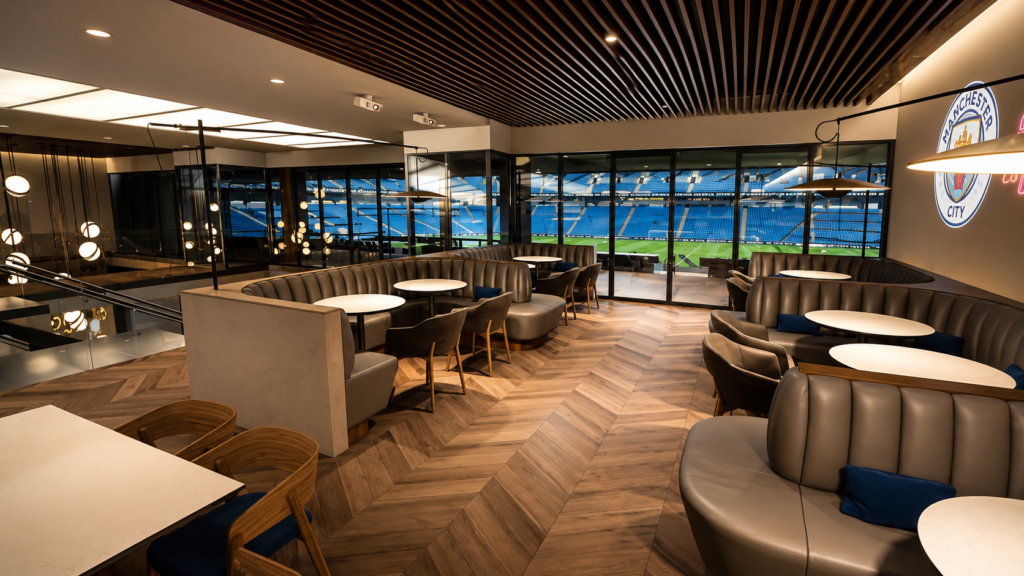
Redesigning Stadium Spaces for Flexibility and Community
Multi-Purpose Hospitality Areas
Modern hospitality spaces rarely serve a single purpose. Today, premium lounges can quickly transform into conference facilities, networking spaces, exhibition halls, or private event venues. Consequently, operators generate revenue throughout the year rather than only on matchdays.
Renovation Over Reconstruction
Many stadiums also choose renovation instead of complete redevelopment. Updating hospitality facilities often provides better value while preserving the venue’s history and atmosphere. This balanced approach allows operators to modernize without losing the character that supporters value most.`
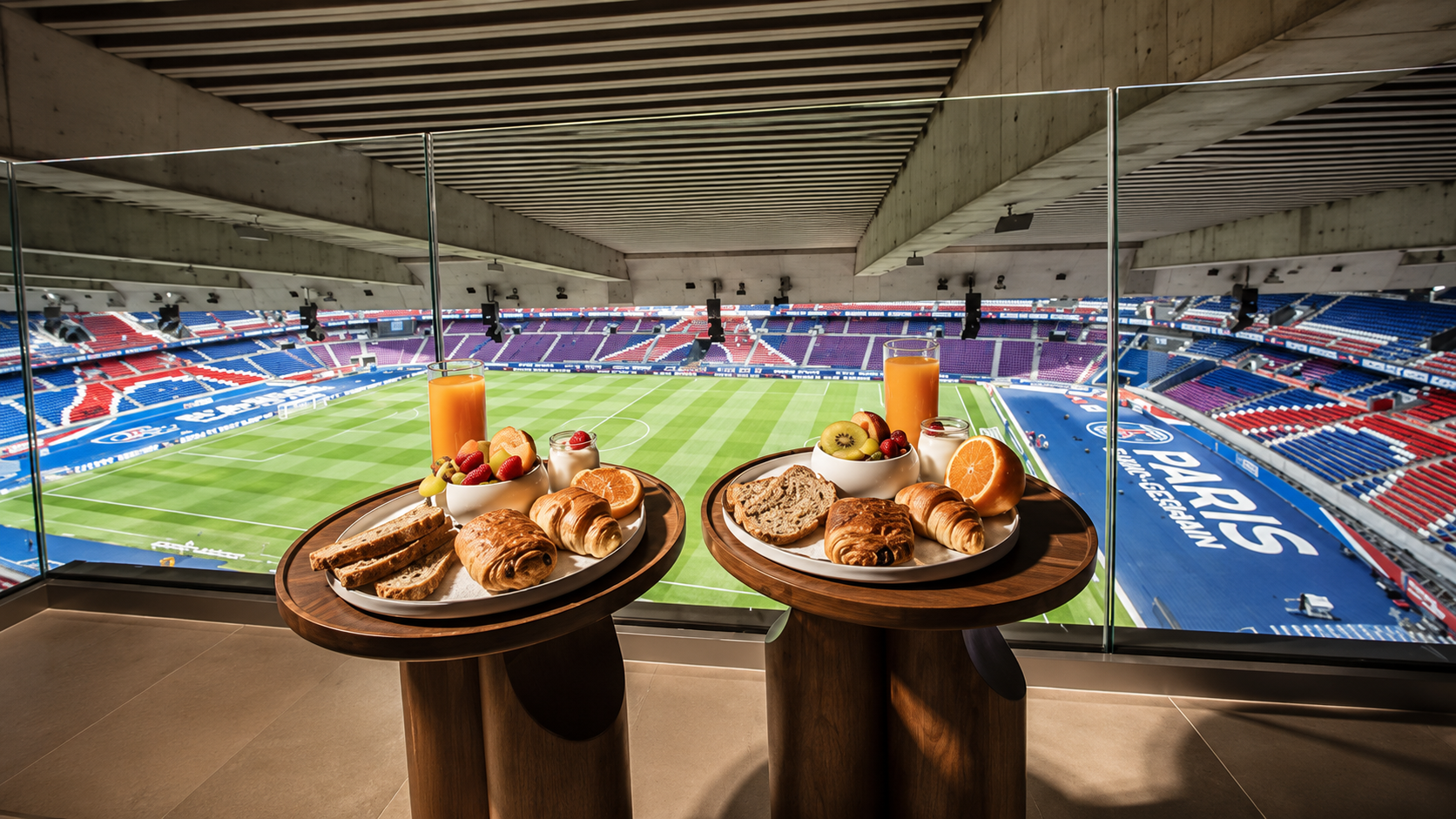
The Business Benefits of Exceptional Stadium Hospitality
Outstanding hospitality benefits everyone involved. Fans enjoy more memorable experiences. Businesses gain premium environments to strengthen client relationships. Stadium operators create new revenue opportunities beyond ticket sales.
Moreover, excellent hospitality encourages repeat visits and positive word-of-mouth. Those recommendations remain one of the most effective marketing tools available.
Hospitality also strengthens sponsorship opportunities. Brands increasingly seek venues that reflect innovation, sustainability, and outstanding customer service. Consequently, hospitality has evolved from an additional service into a genuine competitive advantage.
What the Future of Stadium Hospitality Looks Like
Several trends will continue shaping the future of hospitality in stadiums. First, personalization will become even smarter through artificial intelligence and predictive analytics. Second, sustainability will influence every stage of venue design and operations. Finally, immersive technologies such as augmented reality will enrich the live experience without replacing the excitement of attending in person. Perhaps the biggest transformation, however, concerns the role of the stadium itself. Modern venues no longer function exclusively as sports arenas. Instead, they have become lifestyle destinations where people work, dine, socialize, celebrate, and connect with their communities. Hospitality sits at the heart of that transformation because it shapes how every visitor remembers the experience.
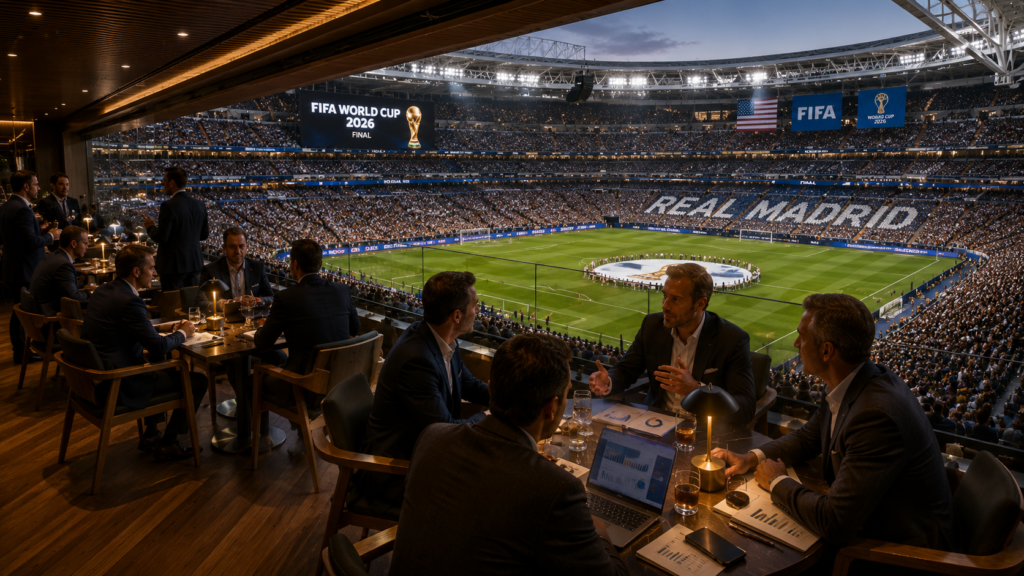
Hospitality Is Redefining the Modern Stadium Experience
Hospitality in stadiums has entered a completely new era. Today’s visitors expect far more than comfortable seating and efficient service. They look for personalized experiences, exceptional dining, seamless technology, and meaningful moments that extend beyond the game itself. Successful stadiums understand this shift. Rather than treating hospitality as an add-on, they integrate it into every stage of the customer journey. As expectations continue to evolve, venues that invest in outstanding hospitality will remain best positioned to attract visitors, strengthen partnerships, and build lasting loyalty.
Further Reading
- Harvard Business Review – Welcome to the Experience Economy
https://hbr.org/1998/07/welcome-to-the-experience-economy - Deloitte – Sports Industry Insights
https://www2.deloitte.com - FIFA – Football Stadium Guidelines
https://inside.fifa.com/technical/football-technology/standards/football-stadiums - Verhoef, P. C. et al. (2009). Customer Experience Creation: Determinants, Dynamics and Management Strategies.
https://www.sciencedirect.com/science/article/pii/S0022435909000052 - PwC – Sports Industry Publications
https://www.pwc.com